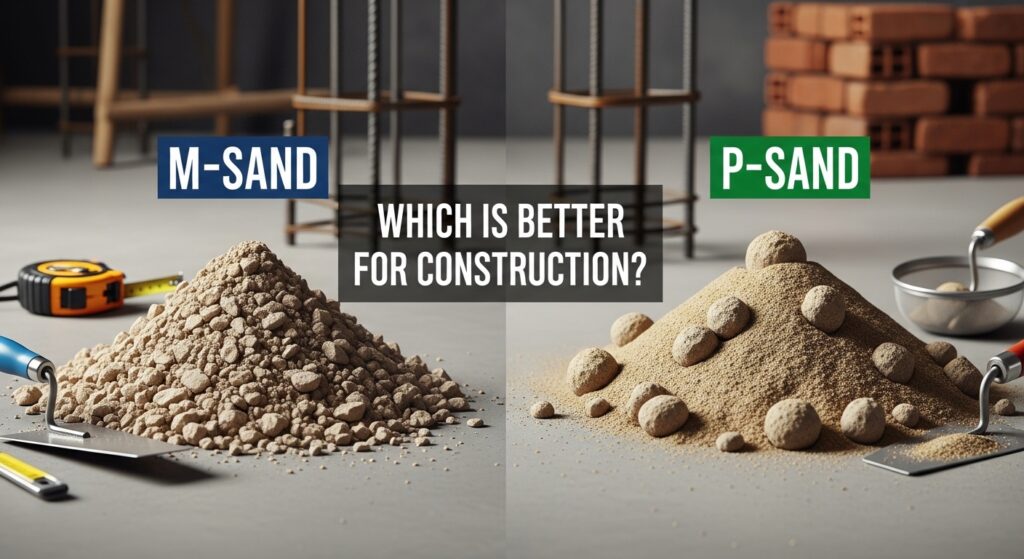
stone dust vs sand is a common comparison in construction projects. Both materials are widely used for different purposes. However, each has its own properties and benefits. Therefore, choosing the right one depends on the type of work and required strength.
What Is Stone Dust vs Sand?
Stone dust is a by-product of crushing stones. It has a fine texture and compact nature. On the other hand, sand is a natural material collected from rivers or manufactured sources.
Moreover, both materials serve different roles in construction. As a result, builders choose them based on specific needs and applications.
Differences Between Stone Dust vs Sand
There are clear differences between these materials. Stone dust is finer and more compact. In contrast, sand has better workability.
Moreover, stone dust provides better stability. However, sand offers flexibility in mixing. Therefore, understanding these differences helps in selecting the right material.
Uses of Stone Dust vs Sand in Construction
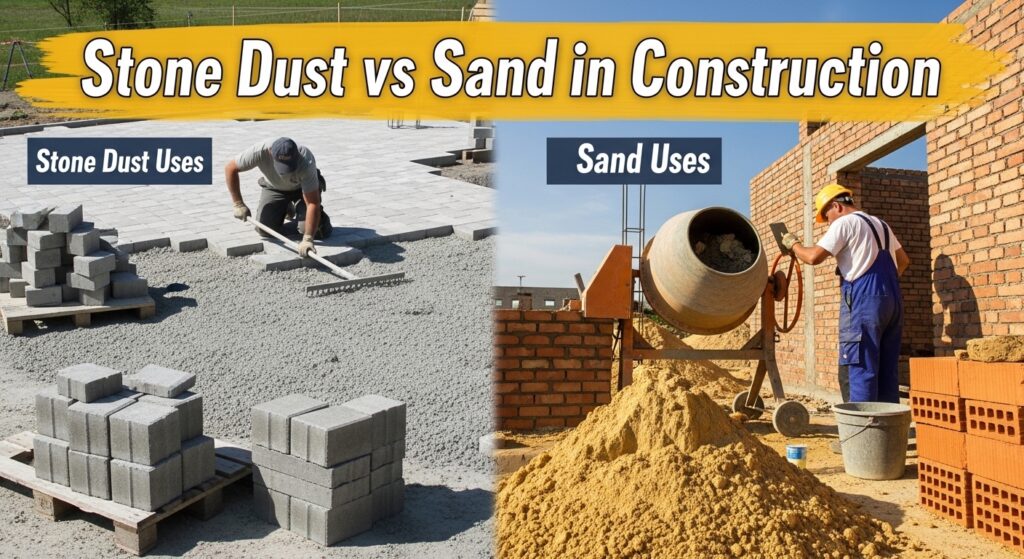
Both materials are used in various applications. Stone dust is suitable for:
- Paving work
- Base preparation
- Filling gaps
Sand is mainly used for:
- Concrete work
- Plastering
- Masonry
As a result, each material plays an important role in construction projects.
Benefits of Using Stone Dust vs Sand
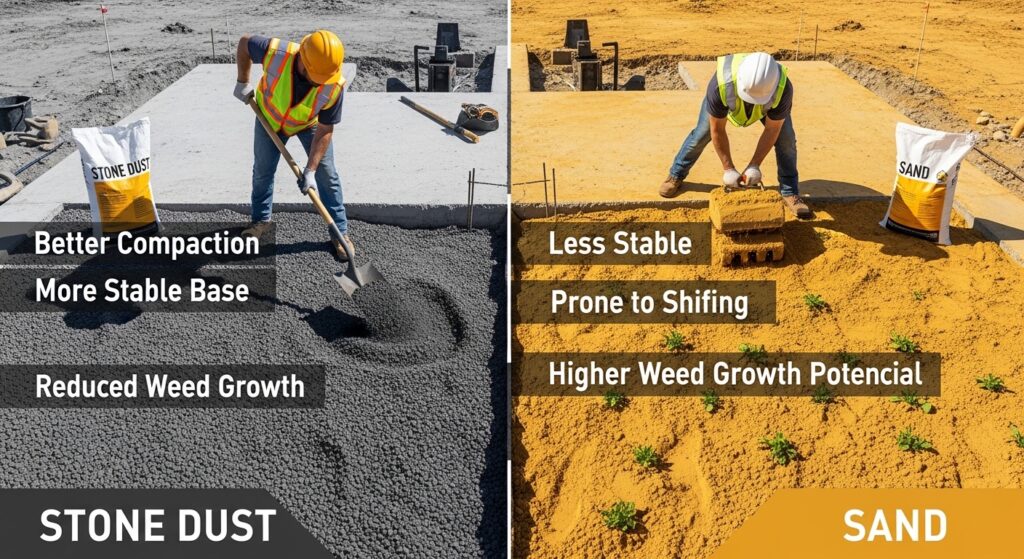
Each material offers unique advantages. Stone dust provides better compaction and strength. Sand offers smooth finishing and easy mixing.
Moreover, both materials are cost-effective and easily available. Therefore, builders select them based on project requirements.
Which One Should You Choose?
The choice depends on your construction needs. Use stone dust for base and support work. Choose sand for plastering and concrete.
Moreover, combining both materials in the right way can improve results. You can explore quality materials here:
👉 https://hrinfrablocks.com/
For general information:
👉 https://www.britannica.com/science/sand
Therefore, selecting the right material ensures better durability and performance.
Conclusion
stone dust vs sand is an important comparison in construction. Each material has its own uses and benefits. Moreover, proper selection improves strength and quality. Therefore, understanding their differences helps in making better decisions.