

Concrete blocks types and sizes are essential to understand when selecting the right material for modern construction. Concrete blocks are widely used due to their strength, durability, and cost-effectiveness. In today’s construction industry, building materials, construction blocks, and cement blocks play a crucial role in creating strong and long-lasting structures. Whether you are building a home, commercial space, or infrastructure project, choosing the right concrete block can improve quality and reduce costs.
What Are Concrete Blocks? – Understanding Concrete blocks types and sizes
Concrete block, also known as CMUs (Concrete Masonry Units), are manufactured using a mixture of cement, sand, aggregates, and water. These construction materials are molded into uniform shapes and cured for strength. Understanding Concrete blocks types and sizes helps builders select the right option based on load-bearing requirements and design. These blocks are widely used in residential construction, commercial buildings, and infrastructure projects.
Types of Concrete blocks types and sizes Used in Construction
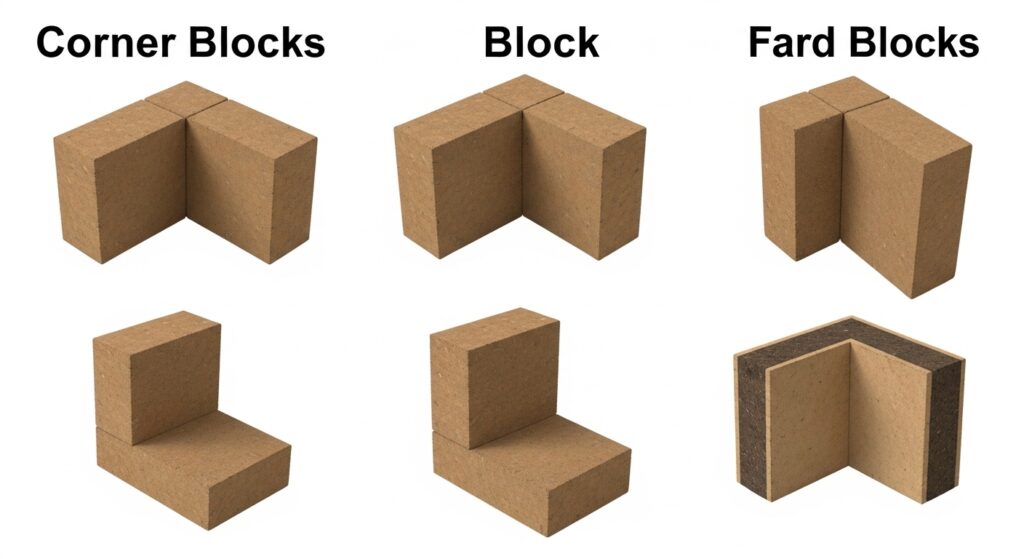
There are different types of concrete blocks available, each serving a specific purpose:
- Solid concrete block– Strong and dense, ideal for load-bearing structures
- Hollow concrete block– Lightweight and commonly used for walls
- AAC blocks – Energy-efficient and eco-friendly
- Fly ash blocks – Made from industrial waste and cost-effective
Choosing the right Concrete block types and sizes ensures better performance in structural engineering and building design.
Standard Concrete block types and sizes in India
Concrete blocks come in various standard sizes depending on construction needs. Common sizes include:
- 400 mm × 200 mm × 200 mm
- 400 mm × 150 mm × 200 mm
- 400 mm × 100 mm × 200 mm
These sizes are widely used in wall construction, partition walls, and load-bearing structures. Knowing Concrete block types and sizes helps in planning material quantity and reducing wastage.
Uses of Concrete block types and sizes in Construction Projects
Concrete blocks are versatile and used in multiple applications:
- Building walls and partitions
- Foundations and basements
- Boundary walls
- Industrial structures
Understanding Concrete block types and sizes allows builders to use the right block for durable construction, cost-effective building, and long-lasting structures.
Advantages of Using Concrete block types and sizes
Concrete blocks offer several benefits:
- High strength and durability
- Fire resistance
- Sound insulation
- Faster construction process
- Low maintenance
Using the right Concrete block types and sizes improves construction efficiency and reduces overall project costs.
How to Choose the Right Concrete block types and sizes
Selecting the right concrete block depends on
- Type of construction (residential or commercial)
- Load-bearing requirements
- Budget and material availability
- Environmental conditions
For better decision-making, explore our internal resource:
👉 https://hrinfrablocks.com/
You can also learn more about construction standards here:
👉 https://www.britannica.com/technology/concrete-building-material
Conclusion
Concrete blocks are an essential part of modern construction due to their strength, versatility, and affordability. By understanding Concrete blocks types and sizes, builders and homeowners can make informed decisions and ensure long-lasting results. Choosing the right block not only improves structural stability but also enhances overall project efficiency.